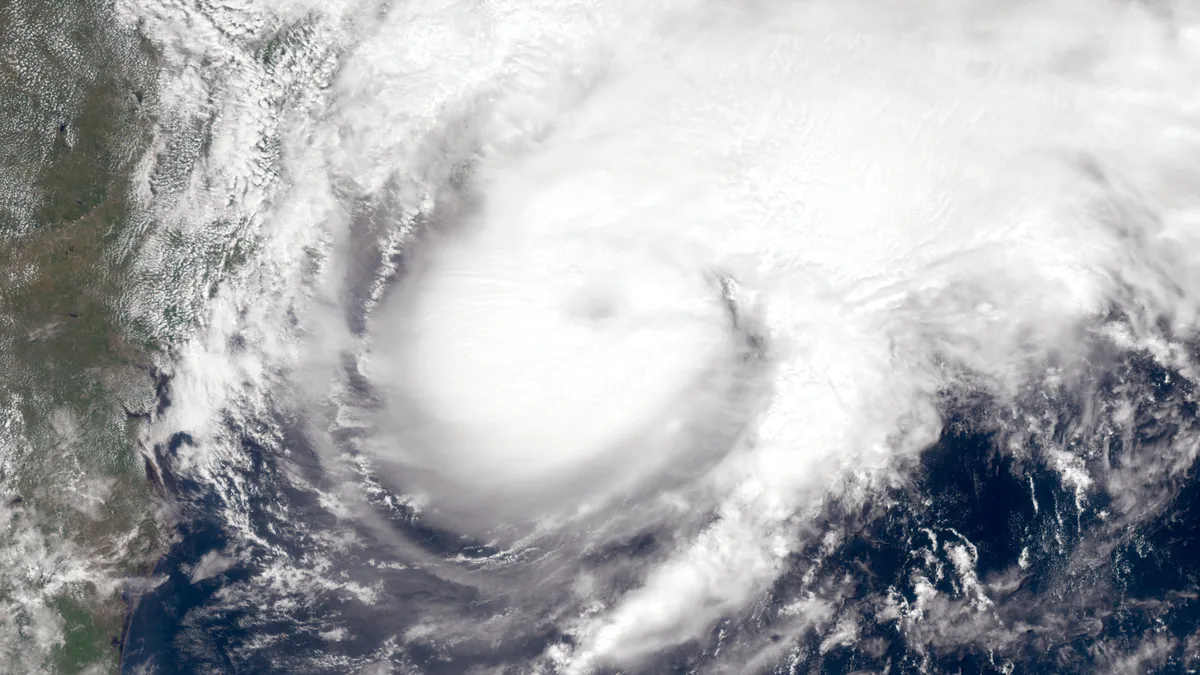
Hurricane Francine made landfall in Terrebonne Parish on September 11, 2024 as a Category 2 storm. The National Hurricane Center says it brought hurricane-force gusts to Kenner, 2 to 4 feet of surge outside the levees on the west side of the Mississippi River, and 10 to 11 inches of rain around Lake Pontchartrain. Hundreds of structures in Jefferson and St. Charles parishes were damaged.
The storm
The NHC's tropical cyclone report on Francine records:
- Landfall at about 5 p.m. CDT (2200 UTC) on September 11, 2024, about 25 nautical miles south-southwest of Morgan City, with maximum winds of 90 knots (about 105 mph), a Category 2 hurricane, and a minimum pressure of 972 millibars.
- Weakening inland. Francine weakened to a tropical storm by the time it reached the western Lake Pontchartrain area early on September 12.
- Metro wind. Hurricane-force gusts were recorded at Louis Armstrong New Orleans International Airport in Kenner and at a marine station on Chef Menteur Highway.
Surge on the West Bank and around the lake
Francine's highest surge, 5 to 8 feet above ground, hit Terrebonne Parish near landfall. Closer to the metro area, the report notes:
- West of the Mississippi River: storm surge inundation of 2 to 4 feet above ground from Barataria Bay to the mouth of the river. A Corps of Engineers gauge on the Barataria Waterway at Lafitte measured 3.7 feet NAVD88.
- Lake Pontchartrain: maximum water levels of 3 to 5 feet above ground along the lake. The New Canal Station gauge on the south shore measured 3.6 feet above mean higher high water, and a gauge at Bonnet Carré measured 5.2 feet.
Communities outside the federal levees, such as Lafitte and Barataria in Jefferson Parish, are the most exposed to this kind of surge. Inside the levee system, Gretna, Harvey, Marrero and Westwego depend on the levees and pump stations holding up.
Rain
The NHC says Francine's heaviest rain was hard to separate from a front just to its north. The report gives a local maximum of 11.93 inches at Covington, with totals of about 10 to 11 inches extending north and south of Lake Pontchartrain. It says this rain caused flash flooding across southeast Louisiana, inundating many structures and roadways.
For homes inside the levees, this is the more common threat. Surge is held back, but rain inside the system has to be pumped out, and a fast 10 inches can put water in streets and low houses before pumps catch up.
Damage and power
From the report's casualty and damage section:
- No direct deaths. Four injuries were reported in Louisiana and Mississippi.
- A rescue in New Orleans. One man was rescued from a flooded vehicle during a live news report.
- Carbon monoxide. After the storm, 18 emergency department visits in southeast Louisiana were due to CO exposure. An earlier post covers generator carbon monoxide safety.
- Structures. Hundreds of structures in St. Charles and Jefferson parishes were damaged or destroyed by wind, flooding and falling trees.
- Power. Outages peaked at about 500,000 across Louisiana, Mississippi and Alabama.
- Cost. NCEI estimated losses at $1.3 billion.
What a "moderate" hurricane leaves behind
Francine was not a Katrina or an Ida, but it left a familiar mix of problems:
- Roof damage and wet attics from wind and falling trees, followed by rain through the openings.
- Rain flooding in low streets and houses where drainage fell behind.
- Surge flooding in communities outside the levees.
- Power outages that left wet houses without fans or air conditioning in September heat.
Each one is a different claim. Wind and rain through storm damage usually fall under the homeowners or wind policy, often with a named-storm deductible. Rising water is flood, which needs a separate flood policy. Your policies and adjusters decide which applies.
The first days after
- Stay out of floodwater, and away from downed lines.
- Photograph roof damage, waterlines and every wet room before cleanup.
- Get roof openings covered.
- Start drying within 24 to 48 hours if you can, as the CDC recommends, to limit mold.
- Keep generators outside, more than 20 feet from openings.
Help with storm cleanup
After a storm like Francine, the work often combines emergency roof protection, water extraction, removal of wet materials and drying. The hurricane and storm damage page explains how that work is usually sequenced. The Gretna and West Bank page covers the area's levees and flood history.
Nobody on this site does the work. A request here is passed to a single local cleanup company that can follow up.
FAQs
Where did Hurricane Francine make landfall?
About 25 nautical miles south-southwest of Morgan City, in Terrebonne Parish, Louisiana, on September 11, 2024, as a Category 2 hurricane.
Did Francine cause surge on the West Bank?
Yes, outside the levees. The NHC reports 2 to 4 feet above ground from Barataria Bay to the mouth of the Mississippi River, with 3.7 feet NAVD88 measured at Lafitte.
How much rain did Francine bring?
About 10 to 11 inches around Lake Pontchartrain, with a local maximum of 11.93 inches at Covington.
How much damage did Francine cause?
NCEI estimated $1.3 billion, with hundreds of structures in Jefferson and St. Charles parishes damaged or destroyed.
Sources
- National Hurricane Center, Tropical Cyclone Report: Hurricane Francine (AL062024).
- CDC, Guidelines for Cleaning Safely After a Disaster.
- Louisiana Department of Insurance, Consumer's Guide to Homeowners Insurance.