In south Louisiana, opening the windows doesn't always help a flooded house dry, because the outside air is often just as humid. FEMA's flood repair guide says to open up only when outdoor air is drier than indoor air, close up at night, and use fans, dehumidifiers and desiccants. The EPA's target is indoor humidity below 60 percent.
Why humidity matters so much
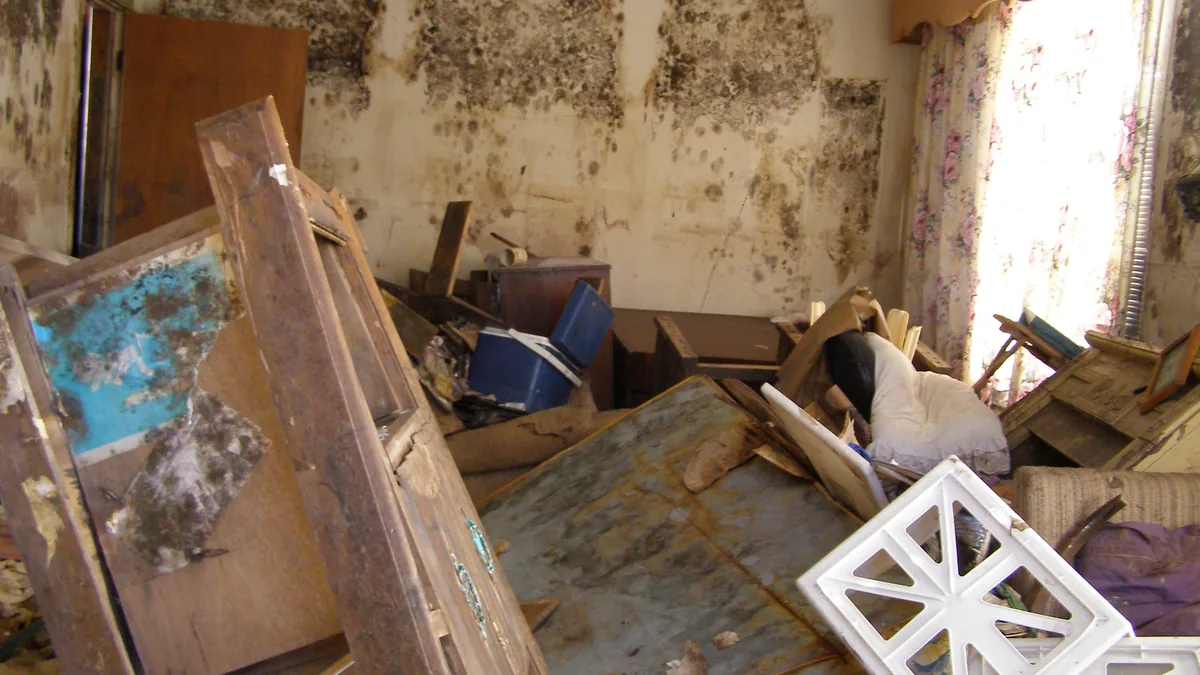
Drying is just moving water out of materials and into the air, then out of the house. If the air is already holding most of the moisture it can, wet drywall, studs and floors give up their water slowly. The EPA says water-damaged areas and items need to be dried within 24 to 48 hours to prevent mold growth. In a humid summer or after a tropical storm, that window is hard to meet without help.
FEMA's five ways to lower humidity
Repairing Your Flooded Home (FEMA P-234) lists five ways to lower the humidity, and notes some will have to wait if there's no electricity:
- Open up the house, at the right time. If it's drier outside than inside and the weather allows, open all doors and windows to swap moist indoor air for drier outdoor air. FEMA notes that sunny weather is usually drier. At night, or whenever outdoor humidity is higher, close up the house. In a humid climate, this rule matters a lot. Opening up on a muggy night can make things worse.
- Open closets and cabinets. Open closet and cabinet doors and take out drawers so air can circulate. Swollen drawers may stick, so don't force them. Opening the back of a cabinet speeds drying.
- Use fans to move air through the house.
- Run dehumidifiers. Dehumidifiers and window air conditioners pull moisture out of the air, especially in closed-up areas.
- Use desiccants in closets and enclosed spaces where air can't move. FEMA mentions chemical dehumidifier packs sold for boats and damp closets, and clay cat litter.
The central AC warning
FEMA is specific: don't run central air conditioning or the furnace blower if the ducts were under water. They'll blow dirty air containing contaminants from the sediment left in the ducts. Clean or hose out the ducts first. Window units and standalone dehumidifiers don't share that problem.
Open or closed? A simple test
A cheap humidity meter (hygrometer), which the EPA says costs about $10 to $50 at hardware stores, takes out the guesswork:
- Outdoor humidity lower than indoor: open up and run fans to push air through.
- Outdoor humidity higher than indoor: close up, and run dehumidifiers and any working window AC.
- Aim for below 60 percent indoor relative humidity, ideally 30 to 50 percent, per the EPA.
Check morning, midday and evening. Along the Gulf Coast, the best window to open up is often midday on a sunny day.
Getting water out of the structure
Lowering room humidity only works if the wet materials are exposed:
- Remove wet carpet and pad, which hold a lot of water against the floor.
- Make flood cuts and pull wet insulation so wall cavities can breathe. An earlier post covers how high to cut wet drywall.
- Take off baseboards so water can drain out of the bottom of walls.
- Point fans into open wall cavities and under cabinets, not just around the room.
How to know it's dry
"Looks dry" isn't dry. FEMA's guide warns that surfaces look dry long before the inside of a material is, and that many problems come from rebuilding before everything has dried. If visible signs of moisture take a week to go away, it advises allowing at least another week for the parts you can't see.
Reliable ways to check:
- Moisture meter readings on studs, sill plates and subfloor, compared with an unaffected area of the same house.
- Readings taken over several days, to confirm the numbers are steady, not rising after you turn the fans off.
- No musty smell. A strong odor means something is still wet or already growing mold.
Don't close walls, lay flooring or paint until readings are back to normal.
When the power is out
Without electricity, you're limited to opening the house at the right times, opening cabinets, and desiccants. If you use a generator for fans and dehumidifiers, keep it outdoors, more than 20 feet from windows, doors and vents. Never run it in a garage or under a raised house.
When to bring in professional drying
Large losses, slab houses with water under flooring, and hot, humid weeks are where professional equipment helps most. That means high-capacity dehumidifiers, air movers aimed into cavities, and daily moisture logs. The structural drying page explains how a drying job is set up and monitored. The New Orleans page covers the city's flood history and housing.
Requests made through this site go to one independent local cleanup company, which may reach out to you directly.
FAQs
Should I open the windows to dry a flooded house?
Only when outdoor air is drier than indoor air, FEMA says. Close up at night and whenever outdoor humidity is higher.
What indoor humidity should I aim for?
The EPA recommends below 60 percent, ideally 30 to 50 percent.
Can I run central AC to dry the house?
Not if the ducts were under water. FEMA says to clean them first, or you'll blow contaminated air through the house.
How long does drying take?
It varies. FEMA advises waiting at least another week after visible moisture disappears, and moisture meter readings should confirm materials are dry before rebuilding.
Sources
- FEMA and American Red Cross, Repairing Your Flooded Home (FEMA P-234), Step 4: Dry Out Your Home.
- EPA, A Brief Guide to Mold, Moisture and Your Home.
- CDC, Carbon Monoxide (CO) Poisoning Basics.