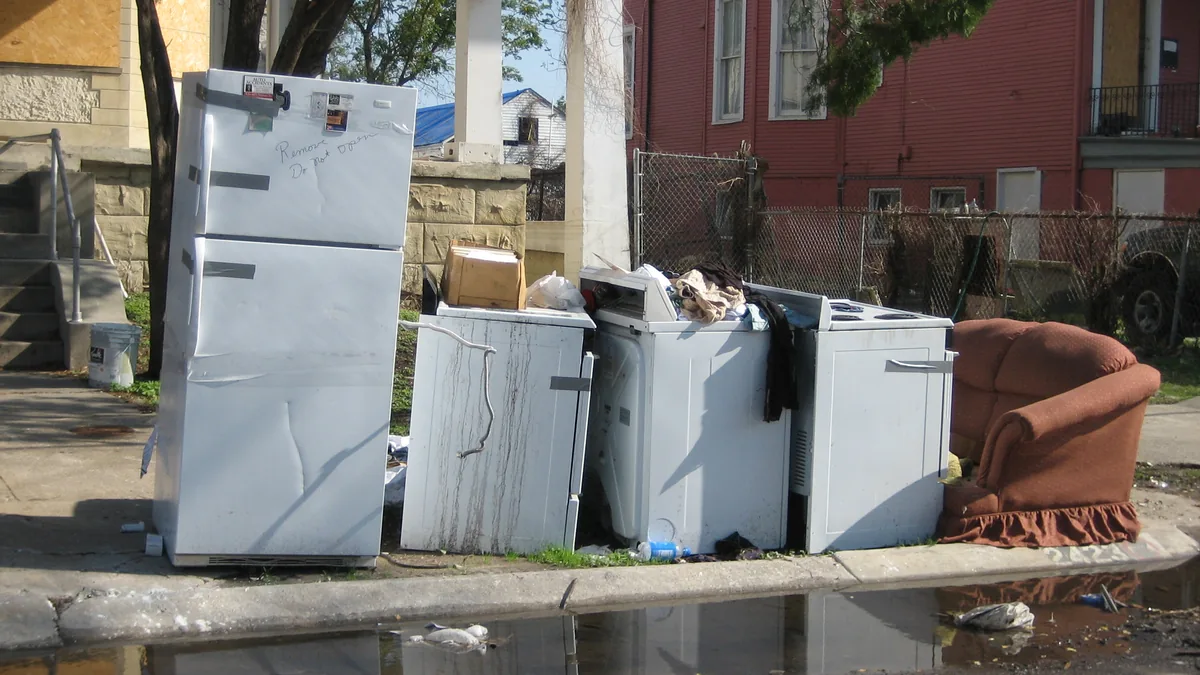
After a flood, local officials often ask residents to sort debris into separate piles at the curb: electronics, large appliances, vegetation, construction debris and household trash. FEMA advises photographing everything first, keeping piles clear of power lines, hydrants and meters, and never blocking the road. Sorting correctly gets debris picked up faster.
Why sorting matters
Different kinds of disaster debris are handled and disposed of in different ways, so collection is often organized by category. A mixed pile can slow pickup down or be left for a later pass. After a big storm, that can mean weeks of soggy drywall in your front yard.
As FEMA puts it, homeowners are responsible for removing debris from their own property, following local rules. In Kenner and the rest of Jefferson Parish, check the city or parish website and local news for collection schedules and rules after a storm. They change from event to event.
Step one: photograph before it goes out
FEMA's first cleanup tip is to take photos or video of every damaged item before cleanup starts, and to keep every receipt. For an insurance or assistance claim:
- Photograph each room before removing anything, with the waterline visible.
- Photograph each damaged item, including labels, model numbers and serial plates.
- Keep a sample of carpet, pad and flooring if your adjuster may want it.
- Make a simple list as you go: item, room, rough age.
Once the debris crews take it, the evidence is gone.
FEMA's five categories
Local officials may ask you to separate debris like this:
- Electronics: televisions, computers, phones and similar items.
- Large appliances: refrigerators, washers, dryers, stoves and dishwashers. Seal or secure the doors so children and animals can't get inside.
- Vegetative debris: tree branches, leaves and plants.
- Construction debris: drywall, lumber, carpet and furniture.
- Household garbage: discarded food, paper and packaging.
Hazardous materials are separate. FEMA says to call your fire department to inspect or remove chemicals, propane tanks and other hazardous materials. Seal hazardous debris in plastic bags so it can't become airborne, and never burn debris.
Where to put the piles
FEMA's placement rules:
- Keep debris away from power lines, trees, poles, fire hydrants, meters and buildings.
- Never block the roadway.
- Never put debris on or near downed power lines, even if the power is out. It could come back on at any moment.
Practical tips:
- Keep piles off sidewalks where possible, and away from storm drains so the next rain can still drain.
- Don't stack piles against a neighbor's fence or car.
- Keep spoiled food bagged and separate, with household trash, so it doesn't attract animals.
Save what can be saved
Not everything wet is trash. FEMA's guidance on family treasures:
- Air-dry heirlooms indoors. Hair dryers, irons, ovens and direct sunlight can damage them.
- Don't pull stuck photos or papers apart. Separate damp items gently, and brush off dirt with a soft brush or cloth.
- Freeze what you can't dry in two days. Wrap it in freezer paper and freeze it to buy time to consult a professional.
Protect yourself while hauling
FEMA recommends long pants, sturdy shoes, goggles, gloves and masks when handling debris. Wash your hands after touching anything that may have been in floodwater or sewage. Watch for snakes and other animals in piles and around damaged buildings. Use teams for heavy items. The CDC advises at least two people for bulky objects and no lifting more than 50 pounds per person.
The order inside the house
FEMA sums up flood-damaged items in five steps: air out, move out, tear out, clean out and dry out. In practice:
- Open the house and get air moving.
- Move contents out, sorting as you go.
- Tear out wet drywall, insulation, carpet and pad.
- Clean and disinfect what remains.
- Dry the structure before rebuilding.
The sorting starts in step two. Setting up separate areas in the yard or driveway for each category saves handling everything twice.
Getting help with the heavy work
Gutting a flooded house and hauling the debris is hard, dirty work, and it has to happen fast so drying can start. The flood cleanup page explains how tear-out, debris handling and drying are usually organized. The Kenner page covers the city's flood risks and housing.
Ask for help here and your request is handed to one local cleanup company, who may call or email you.
FAQs
What are the debris categories after a flood?
FEMA lists electronics, large appliances, vegetative debris, construction debris and household garbage. Hazardous materials are handled separately.
Where should I put my debris pile?
At the curb, away from power lines, trees, poles, fire hydrants, meters and buildings, and never blocking the road.
Should I photograph debris before it's picked up?
Yes. FEMA recommends photos or video of every damaged item before cleanup, plus keeping all receipts.
What do I do with family photos that got wet?
Air-dry them indoors and don't pull stuck photos apart. If they won't dry within two days, wrap them in freezer paper and freeze them.