For flood cleanup, the CDC recommends a hard hat, goggles, an N95 mask or better respirator, heavy work gloves, and waterproof boots with a steel toe and steel insole. Add rubber boots, rubber gloves and goggles if sewage is involved. Most cleanup injuries come from heat, cuts, lifting and electricity, so the gear and the work habits matter equally.
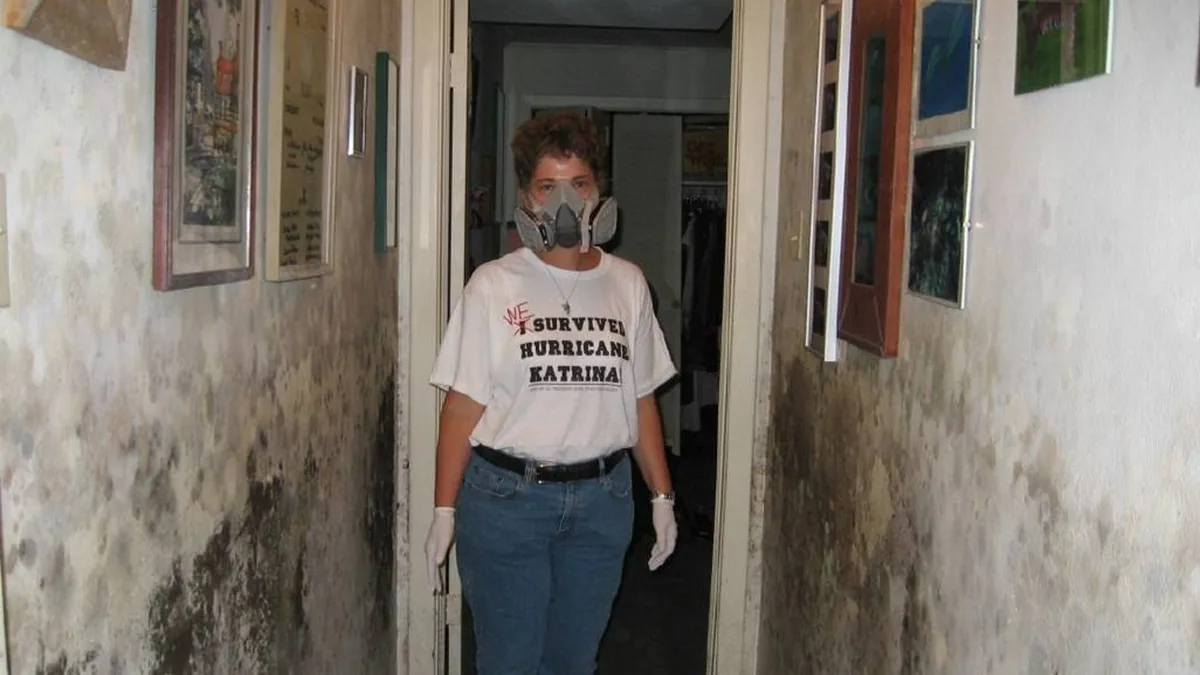
The CDC's basic kit
The CDC's guidelines for cleaning safely after a disaster list:
- Hard hat, for falling ceiling material, loose fixtures and work under damaged structures.
- Goggles, for splashing floodwater, cleaners and dust from tear-out.
- N95 mask, or a respirator with higher protection, for mold spores and dust.
- Heavy work gloves, for nails, broken glass and sharp debris.
- Waterproof boots with a steel toe and steel insole, not just a steel shank. The insole stops nails coming up through the sole.
- Earplugs or protective headphones when running loud equipment.
- At least two fire extinguishers, each rated at least 10A.
If sewage is involved, the CDC says to wear rubber boots, rubber gloves and goggles.
Why each item earns its place
Feet. Flood debris is full of nails, screws and broken glass, and you often can't see the floor through mud. A nail through an ordinary boot is a common cleanup injury, and a puncture wound exposed to floodwater can get infected.
Hands. Leather or heavy work gloves for tear-out, and rubber or nitrile gloves for wet, contaminated work. Many crews wear disposable nitrile under heavy gloves.
Lungs. Drywall tear-out throws gypsum dust and mold spores into the air. A properly fitted N95 is the minimum. For long tear-out days, the CDC's mold guidance recommends a half-face or full-face respirator.
Eyes. Floodwater, bleach solutions and dust all cause eye injuries. Use goggles that seal. Vented safety glasses don't keep out fine particles.
Floodwater and wounds
The CDC notes that floodwater can carry dangerous bacteria from overflowing sewage and agricultural and industrial waste. Skin contact alone isn't usually a serious risk, but swallowing contaminated water or letting it into a wound can cause illness. CDC advice:
- Keep cuts and sores clean. Wash with soap and apply an antibiotic ointment.
- Wash up with soap and water when you finish.
- Wash cleanup clothes in hot water and detergent, separately from other laundry.
- Get medical attention if you're injured or get sick.
If you haven't had a tetanus shot recently, ask a doctor or local health department, especially before tear-out work.
Heat is the hidden hazard
Local floods often happen in hot, humid months, and cleanup means heavy work in a house with no power or air conditioning. The CDC's advice:
- Stay cool where you can, take breaks in shade or cool rooms, and drink water often.
- Wear light, loose clothing under protective gear where possible.
- Do outdoor work during cooler hours.
- Pace yourself, rest when you need to, and focus on the most important tasks first.
Know the warning signs of heat illness, such as heavy sweating, dizziness, nausea, headache and confusion. Stop and cool down at once if anyone has them.
Lifting and tools
- Use teams. The CDC recommends at least two people for heavy or bulky items and no lifting over 50 pounds per person.
- Chainsaws: follow the manufacturer's instructions, wear protective gear, keep bystanders back and stay away from power lines.
- Pressure washers: follow the manual and wear rubber-soled shoes. They can cause serious injuries.
- Generators and gas tools must stay outdoors and away from windows, doors and vents because of carbon monoxide.
Electricity
The CDC says if circuits or equipment have gotten wet, turn off power at the main breaker or fuse. If you'd have to stand in water to reach it, call an electrician. Never turn power on or off, or use an electric tool, while standing in water.
Building entry and chemicals
- Don't enter a damaged building until an inspector or official says it's safe, and go in daylight.
- Leave right away if you hear shifting or strange noises.
- If you smell gas, leave and call emergency services. Don't turn on lights or create any spark.
- Call the fire department for chemicals, propane tanks and other hazardous materials.
- Never mix bleach with ammonia or other cleaners.
A simple kit list
Steel-toe, steel-insole rubber boots. Heavy work gloves plus nitrile gloves. N95 masks or a half-face respirator. Sealed goggles. A hard hat. Long sleeves and long pants. Earplugs. Two fire extinguishers. A first aid kit with antibiotic ointment. Plenty of drinking water. Trash bags and a change of clothes.
When to let someone else do it
Tear-out, sewage cleanup and heavy hauling are where people get hurt. If you're older, have health conditions, or the job is large, getting help is the safer choice. The flood cleanup page explains how professional tear-out and drying are usually handled. The New Orleans page covers the city's flood history.
Use the form and your details go to one local company that handles this kind of job, and they may get in touch.
FAQs
What boots should I wear for flood cleanup?
The CDC recommends waterproof boots with a steel toe and steel insole, not just a steel shank. Wear rubber boots if sewage is involved.
Is an N95 enough for flood cleanup?
The CDC lists an N95 or a respirator with higher protection. For long tear-out of moldy materials, its mold guidance suggests a half-face or full-face respirator.
How much should one person lift during cleanup?
The CDC advises no more than 50 pounds per person and using teams of at least two for bulky items.
How should I wash flood cleanup clothes?
In hot water and detergent, separately from uncontaminated clothes and linens, according to the CDC.