A National Flood Insurance Program claim runs on fixed deadlines. FEMA says to submit your supporting documents within 60 days of the flood, or within the time your insurer gives you. If your claim is denied, you have 60 days from the denial letter's date to appeal to FEMA, and one year to file a lawsuit. Missing one can cost you money.
Step 1: report the claim right away
FEMA's NFIP claims checklist starts simply:
- Report the claim without delay. Call your insurance agent or company as soon as possible. You can file before you're able to get back into the house.
- Know your coverage. Find out whether you have building coverage, contents coverage or both, and ask about limits and deductibles. Make sure the right mortgage company is listed on your declarations page to avoid payment delays.
- Keep a log. Record every conversation with your insurer, adjuster, contractors and cleaners: date, time, name and what was discussed.
FEMA says your insurer will assign an adjuster to contact you within 48 hours of reporting the loss.
Step 2: document before cleanup
The checklist is clear about what to save:
- Don't throw things away before the adjuster sees them, unless they're a health hazard or local law requires disposal.
- Keep samples of carpet, flooring, blinds and similar materials if you have to get rid of the rest.
- Separate damaged property from undamaged property so the adjuster can inspect it.
- Photograph and video everything, inside and out, from several angles, including floodwater lines on both sides of the walls.
- Record make, model and serial numbers for appliances, electronics and valuable items.
- For contents, make a list with descriptions, quantities, approximate age and replacement cost.
Ask your insurer which cleanup and repair costs are covered before work starts, and keep every receipt.
Step 3: meet the adjuster
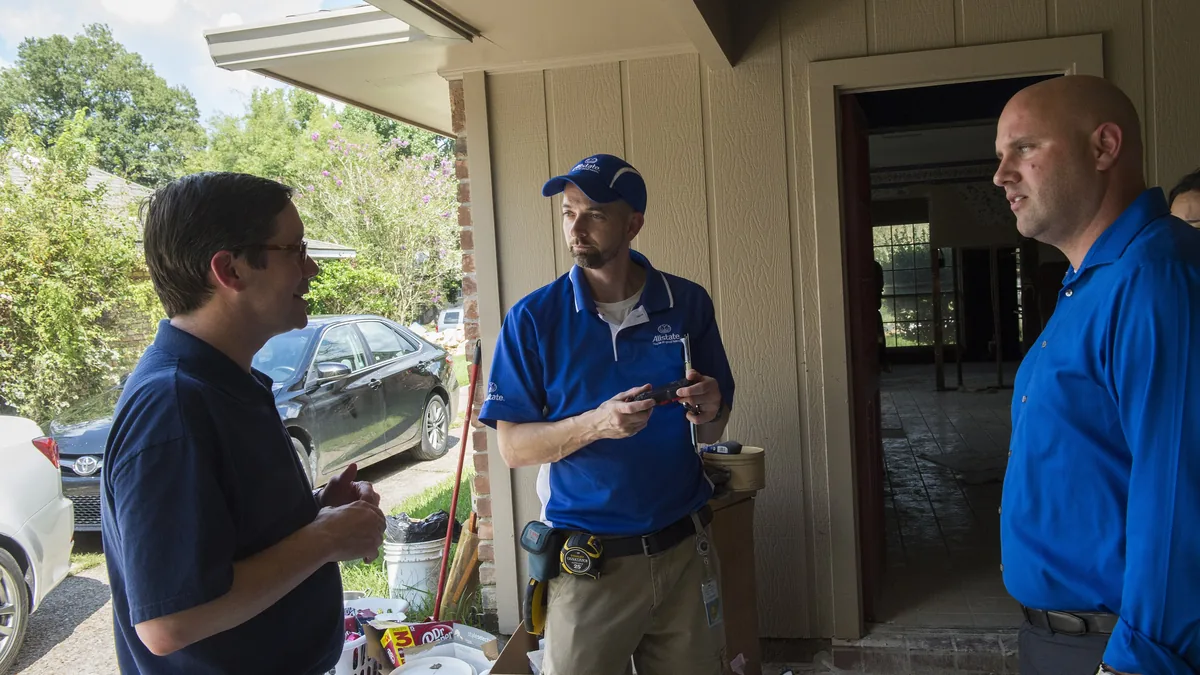
When the adjuster arrives, FEMA says to ask to see their Flood Control Number (FCN) card and a government-issued photo ID. Give them your photos, lists and receipts, and ask questions about the process and next steps. You can also ask for an advance partial payment, which can help pay for cleanup and drying while the claim is finalized.
Step 4: submit within 60 days
FEMA's checklist says to submit all required documents supporting your claim within 60 days of the flood, or within the time your adjuster or insurer gives you, to get paid. This is the proof of loss stage: a sworn statement of what you're claiming, backed by your documentation. Ask your insurer exactly what form they need, where to send it and whether they've set a different deadline in writing.
Review the adjuster's estimate carefully. If something is missing or wrong, work with them to correct it.
Step 5: more damage? Ask for more
If you find more damage, notice a missed item, or learn the repair costs more than the estimate, FEMA says you can request an additional payment at any time, even after you think the claim is settled. Hidden damage often shows up once walls are opened, so keep photographing during tear-out.
If the claim is denied or underpaid
The FloodSmart appeals page lists four routes:
- Talk to your adjuster and insurer. They can act quickly if they missed a fact or a document.
- Appeal to FEMA. You have 60 calendar days from the date on the denial letter. Explain the issue in writing (FEMA has an official appeal form), include a copy of the denial letter, and add supporting documents such as photos or itemized contractor estimates. There's no fee, and you don't need someone to represent you.
- Appraisal. If you and your insurer agree there was a loss but disagree on the amount, appraisal can settle it. Once you complete an appraisal, you can no longer appeal to FEMA.
- Lawsuit. You must sue within one year of the insurer's first denial of all or part of your claim. Filing a FEMA appeal does not extend that year. Once you file suit, you lose the FEMA appeal option.
Why this matters on the West Bank
Gretna and much of the West Bank sit inside the federal levee system, but that doesn't remove flood risk. Street flooding in heavy rain, levee overtopping in a major storm, and water from outside the system are all still possible. Knowing the deadlines before a flood makes the claim far easier to manage.
Cleanup and the claim
Cleanup and the claim happen at the same time. Water extraction, removal of wet materials and drying shouldn't wait for an adjuster, but each step needs to be documented: photos before and after, moisture readings, and itemized invoices. The flood cleanup page explains how that work is usually recorded. The Gretna and West Bank page covers the area's flood history.
Requests made through this site go to one independent local cleanup company, which may reach out to you directly. Ask them to keep photos and drying logs for your claim.
FAQs
How long do I have to send flood claim documents?
FEMA's checklist says within 60 days of the flood, or within the time your adjuster or insurer gives you.
How long do I have to appeal a denied flood claim?
60 calendar days from the date on the denial letter.
Can I ask for more money after my claim is closed?
Yes. FEMA says you can request an additional payment at any time if you find more damage or the repairs cost more.
How do I know the adjuster is legitimate?
Ask to see their Flood Control Number (FCN) card and a government-issued photo ID.