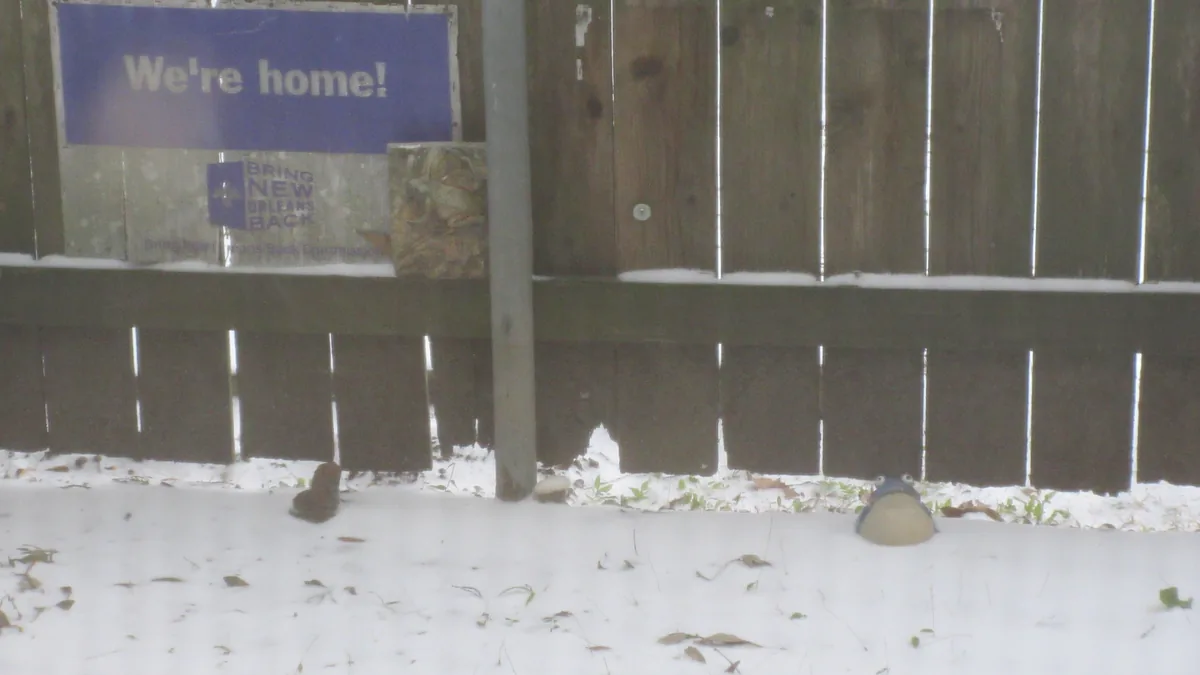
On January 21, 2025, Louis Armstrong New Orleans International Airport in Kenner recorded 8.0 inches of snow, an all-time single-day record that smashed the old mark of 2.7 inches from December 31, 1963. Unofficial reports reached 10 inches near Metairie. For local homes, the bigger problem came with the hard freeze and the thaw: burst pipes.
The record snow
The National Weather Service in New Orleans issued a record event report on January 23, 2025. It confirmed a new all-time record single-day snowfall of 8.0 inches at New Orleans International Airport on January 21, breaking the 2.7-inch record set on December 31, 1963.
The NWS public information statement listed many higher local reports. Most came from the public and are unofficial:
- 2 E Metairie: 10.0 inches
- Metairie and 2 W Metairie: 9.0 inches each
- Kenner: 9.0 inches (emergency manager report)
- 2 SSE New Orleans: 10.0 inches
- 1 NW Gretna: 5.0 inches (emergency manager report), with other West Bank reports near 10 inches
Why freezes hit local houses hard
Homes here are built for heat and humidity, not cold. The American Red Cross lists the pipes that freeze most often:
- Pipes exposed to severe cold, such as outdoor hose bibs and sprinkler lines.
- Supply pipes in unheated areas like crawl spaces, attics, garages and kitchen cabinets.
- Pipes along exterior walls with little or no insulation.
That describes a lot of local housing. Raised houses often have supply lines running through an open crawlspace under the floor, exposed to wind. Slab houses often have lines in exterior walls or attics with little insulation. Water expands when it freezes, and the Red Cross notes that no pipe is strong enough to resist that pressure.
Why the leak shows up later
A frozen pipe often doesn't leak while it's frozen, because the ice plugs the split. The water comes when the ice thaws and pressure returns, often hours later, sometimes while people are at work or asleep. A split pipe can release a lot of water before anyone notices. If the break is in an attic, the water comes through the ceiling. If it's in a wall, it soaks the insulation and drywall from inside.
Before the next freeze
From the Red Cross:
- Drain and shut off outdoor lines. Remove and drain hoses, close the inside valves feeding outdoor hose bibs, and leave the outside bibs open so remaining water can expand.
- Insulate. Add insulation in attics and crawlspaces, and insulate both hot and cold lines in unheated areas.
- Open cabinet doors under kitchen and bathroom sinks so warmer air reaches the plumbing. Move cleaners out of children's reach.
- Let a faucet drip. On very cold nights, let cold water drip from faucets served by exposed pipes. Moving water is less likely to freeze.
- Hold the thermostat steady day and night during a cold snap.
- If you leave town, keep the heat on and set to no lower than 55°F.
If a pipe freezes
If a faucet gives only a trickle, suspect a frozen pipe. The Red Cross advice:
- Keep the faucet open so melting water can flow.
- Apply gentle heat: an electric heating pad, a hair dryer, a space heater kept away from anything flammable, or towels soaked in hot water.
- Never use an open flame. No blowtorch, kerosene or propane heater, or charcoal stove.
- Check the other faucets. If one pipe froze, others may have too.
- Call a licensed plumber if you can't find or reach the frozen section.
If a pipe bursts
- Shut off the main water valve at once. Know where it is before winter.
- Turn off power to any circuits where water is running near outlets, fixtures or the panel.
- Photograph the break and the damage before cleanup.
- Remove standing water and move belongings out of wet areas.
- Call a plumber to repair the pipe.
- Start drying fast. Clean supply water is the least contaminated kind of water damage, but if it sits for days it can turn into a mold problem.
- Call your insurer. Sudden pipe bursts are often treated differently from slow leaks or flooding. Your policy decides what is covered.
Drying after a pipe burst
Water from a burst supply line often spreads further than it looks, under flooring, into wall cavities and down from the ceiling. Moisture readings show where it went. For the extraction and drying side, see water damage restoration. The Metairie page covers Jefferson Parish housing and flood history.
Requests made through this site go to one independent local cleanup company, which may reach out to you directly.
FAQs
How much snow fell in New Orleans in January 2025?
The NWS recorded 8.0 inches at New Orleans International Airport on January 21, 2025, an all-time single-day record. Unofficial reports near Metairie reached 10 inches.
What was the previous snow record?
2.7 inches on December 31, 1963, according to the NWS.
Why do pipes burst after the freeze, not during it?
Ice often plugs the split while frozen. When it thaws, water pressure returns and the leak starts.
Is a burst pipe covered by insurance?
Often, if the burst is sudden, but each policy differs. Slow leaks and flooding are treated differently. Check with your insurer.
Sources
- National Weather Service New Orleans, Record Event Report, January 23, 2025 (archived via Iowa Environmental Mesonet).
- National Weather Service New Orleans, Public Information Statement: snowfall reports, January 22, 2025 (archived via Iowa Environmental Mesonet).
- American Red Cross, Preventing and Thawing Frozen Pipes.
- Ready.gov, Winter Weather.